
Book a Dermal Filler Session with Dr. Laura Geige at It’s Me and You Clinic
Assessing the Situation
Recognizing Signs of Migration
Assessing the situation accurately after lip filler migration is crucial for determining the best course of action.
Start by carefully examining your lips in a well-lit area using a mirror. Look for any lumps, bumps, or unevenness that weren’t present before the filler was injected.
Pay attention to the shape and symmetry of your lips. Has the filler shifted out of its intended location? Is one side of your lip more full than the other?
Also, consider how long ago you received the lip injections. Migration can occur immediately or days or even weeks later.
Note any discomfort or pain in the area where the filler has migrated.
Documenting these observations with photos can be helpful when consulting a medical professional.
Recognizing signs of migration is essential for addressing the issue promptly and minimizing potential complications.
Determining Severity
Assessing the situation and determining the severity of lip filler migration is crucial for proper treatment.
Here’s a step-by-step guide to help you evaluate the issue:
1. **Visual Inspection:**
-
Observe the location and extent of the migrated filler. Note any asymmetry, bumps, or lumps that have formed.
-
Check if the filler has moved into surrounding tissues, such as the cheeks or gums.
2. **Pain Level:**
Note the level of discomfort associated with the migrated filler. Mild soreness is common, but severe pain could indicate complications.
3. **Swelling and Redness:**
Assess the amount of swelling and redness around the affected area. Excessive inflammation may signal an allergic reaction or infection.
4. **Numbness or Tingling:**
-
Secure Your Dermal Filler Appointment with Dr. Laura Geige
-
These sensations could indicate nerve compression or damage caused by the filler migration.
-
Seek immediate medical attention if numbness or tingling persists.
5. **Difficulty Speaking or Eating:**
If the migrated filler significantly affects your ability to speak or eat, it may require urgent intervention.
Severity Levels:
-
Mild: Slight asymmetry, minimal discomfort, localized swelling.
-
Moderate: Noticeable asymmetry, moderate discomfort, increased swelling and redness.
-
Severe: Significant deformity, severe pain, extensive swelling, numbness or tingling, difficulty speaking or eating.
Prompt medical attention is crucial for any suspected complications.
Immediate Steps & Home Care
Gentle Cleansing & Avoiding Touching
Immediate steps following lip filler migration should focus on minimizing further movement and potential complications.
Avoid touching or rubbing the affected area as this can push the filler deeper or cause irritation.
Over-the-counter pain relievers like ibuprofen can help manage any discomfort or swelling.
Applying a cold compress for short periods throughout the day can also reduce inflammation and numb the area.
Schedule a Dermal Filler Consultation with Dr. Laura Geige
Home care in the first few days after filler migration primarily involves gentle cleansing and preventing further irritation.
Use lukewarm water and a mild cleanser to gently wash your face, avoiding scrubbing or harsh products.
Pat your lips dry with a clean towel rather than rubbing them.
Stay hydrated by drinking plenty of water. This can help flush out any potential toxins and promote healing.
Avoid activities that may put pressure on the migrated filler, such as kissing or eating crunchy foods.
Gentle cleansing is crucial to maintain hygiene and prevent infection while your lips are recovering.
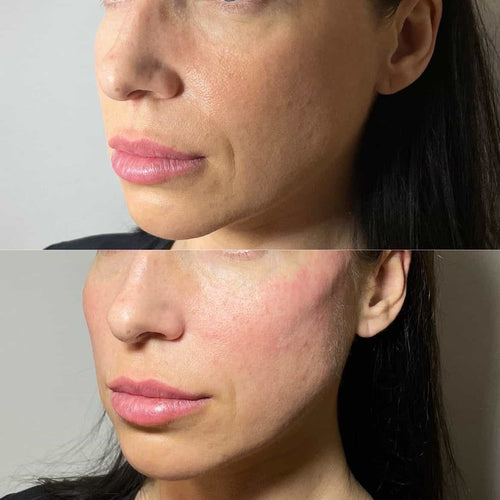
Wash your hands thoroughly before touching your face, especially the affected area.
Use a gentle cleanser specifically designed for sensitive skin.
Rinse thoroughly with lukewarm water and pat dry gently.
It’s important to avoid touching or picking at the migrated filler as this can disrupt the healing process and potentially lead to scarring.
Resist the urge to play with your lips, even if they feel itchy or uncomfortable.
If you experience any signs of infection, such as redness, swelling, pus, or fever, seek medical attention immediately.
Cold Compresses for Swelling
Immediate steps after lip filler migration depend on the severity and extent of the migration. If the migrated filler is causing significant discomfort, pain, or distortion, it’s crucial to seek medical attention right away.
For minor cases where the migration isn’t severely affecting function or appearance, home care can initially be implemented.
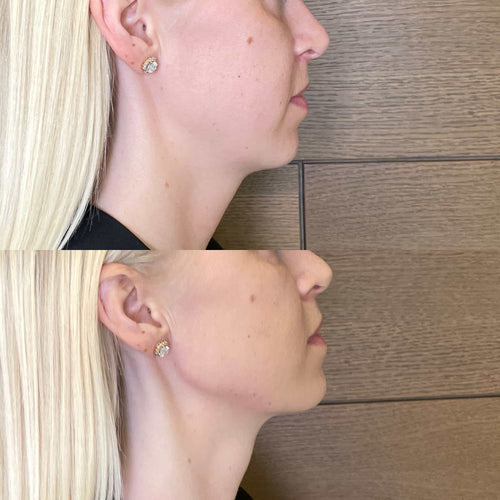
Applying a cold compress to the affected area is a common first-aid measure for swelling associated with filler migration. Cold compresses help reduce inflammation and numb the area, providing temporary relief.
To use a cold compress, wrap ice or frozen gel packs in a thin towel and apply it to your lips for 15-20 minutes at a time, several times throughout the day.
Avoid direct contact between the ice and your skin, as this can cause further irritation.
Keep the cold compress moist with water if needed, but make sure it’s not dripping or excessively wet.
Monitor the area closely for any worsening symptoms or signs of infection such as redness, warmth, pus, or fever. If these symptoms develop, consult a healthcare professional immediately.
Seeking Professional Help
Consulting a Physician or Dermatologist
Lip filler migration occurs when hyaluronic acid fillers, typically injected to enhance lip volume and shape, shift from their intended location. This can result in an uneven or unnatural appearance.
If you suspect your lip filler has migrated, seeking professional help is crucial. Consulting a physician or dermatologist experienced in facial injectables is highly recommended.
These healthcare professionals have the knowledge and expertise to assess the situation accurately. They will examine your lips thoroughly and determine the extent of the migration.
Depending on the severity of the migration, various treatment options may be discussed. Hyaluronidase, an enzyme that dissolves hyaluronic acid fillers, can be injected to reverse or minimize the migrated filler. This procedure is generally safe and effective in breaking down the filler and allowing it to be reabsorbed by the body.
In some cases, multiple hyaluronidase injections may be required to achieve the desired outcome. It’s important to follow your doctor’s instructions carefully and avoid touching or massaging the treated area.
If the migration is significant or involves complex anatomy, a surgical procedure might be necessary to remove the migrated filler.
Remember that attempting to address lip filler migration at home can be dangerous.
Never try to manipulate or dissolve the filler yourself, as this could lead to complications such as infection or tissue damage.
A qualified medical professional will provide the safest and most effective treatment for your specific situation.
Treatment Options and Aftercare Instructions
If lip filler has migrated, it’s important to seek professional help from a qualified medical practitioner experienced in treating aesthetic injectables.
Here are some steps you can take:
-
Contact your injector immediately and explain the situation. They will assess the severity of the migration and recommend the best course of action.
-
If you cannot reach your original injector, consult another licensed medical professional specializing in facial aesthetics.
Treatment Options:**
* **Dissolution:** A qualified practitioner will use an enzyme called hyaluronidase to break down the migrated filler. This is the most common and effective treatment for lip filler migration.
* **Surgical Removal:** In some cases, particularly if the migration is severe or has caused structural changes, surgical removal may be necessary. This is a more invasive procedure and carries additional risks.
Aftercare Instructions:**
-
Follow all post-treatment instructions provided by your medical practitioner carefully.
-
Avoid touching or massaging the treated area.
-
Apply cold compresses to reduce swelling and bruising.
-
Stay hydrated by drinking plenty of water.
-
Avoid strenuous activity, heat exposure, and excessive sun exposure for at least a week after treatment.
-
Do not use any topical medications or skincare products on the treated area without your practitioner’s approval.
-
Schedule follow-up appointments with your medical practitioner to monitor your healing progress and address any concerns.
Remember, early intervention is key to resolving lip filler migration effectively.
Raindrops and Ribbons Divine Magazine Democracy Defense Coalition Making Memories London Bronzed Body Spray Tan

- Xela Rederm Skin Booster Treatments Near Little Bookham, Surrey - January 12, 2026
- Xela Rederm Skin Booster Treatments Near Ashford, Surrey - January 10, 2026
- Why THC Seltzers Are Perfect For A Summer Gathering - January 8, 2026